Window Treatments for Tall and Oversized Windows in Shelbyville
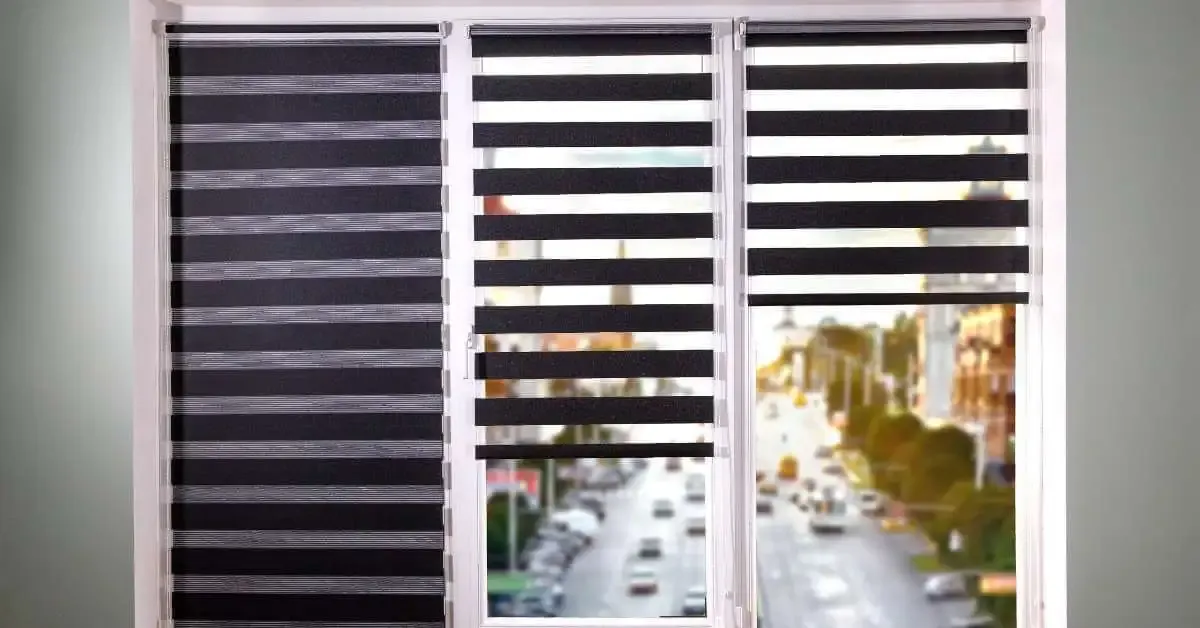
Getting an accurate measurement on a tall or oversized window takes more than a longer tape measure, and the mistakes that show up later usually trace back to something missed during that first visit.
Why Size Pushes Hardware Past Its Limit
Cost on an oversized window starts with the hardware, not the fabric. Once a shade needs a heavier-duty clutch or a reinforced roller tube to stop mid-span sag, that's added cost before a single yard of fabric gets factored in, and it's the reason a big window rarely prices out as a simple multiple of a standard window's cost.
A Shelbyville great room with a genuine wall of glass, ten or fifteen feet wide and eight or nine feet tall, is going to need that upgraded hardware almost by default, so it's worth budgeting for it going in rather than being surprised by it on a quote.
It's worth getting a written quote that separates hardware upgrades from fabric cost specifically, rather than one lump number, so you can see whether a given quote already accounts for the reinforced components a big window actually needs or whether that's going to show up later as a change order.
Reaching the Control on a Window That Tall
Configuration and control interact more than people expect. Multiple shades across a wide window mean multiple control points unless they're motorized and grouped together, so a manual multi-shade wall means walking to each section individually to adjust it, which gets old fast on a window wall used daily.
This is often the deciding factor that pushes a split configuration toward motorization even when a single shade on a smaller window would have been fine manual. Grouping several Shelbyville shades under one motorized control restores the single-shade convenience while keeping the hardware benefits of splitting the window into sections.
For a Shelbyville household weighing the cost of motorizing a split configuration, it's worth remembering that the convenience gap between one remote-controlled wall of shades and several individually operated ones is larger than the price difference usually suggests, especially for anyone who'd actually use the window wall every day.
Measuring and Installing on a Window That Big
Motorized installations on tall or hard-to-reach windows need the same access equipment any oversized install needs, but they add wiring or power considerations on top of that if going with a hardwired option. Planning this during a renovation, before drywall closes up the wall, saves significant cost and hassle compared to retrofitting power later.
Battery motors sidestep the wiring question entirely, which is often the more practical route for an existing Shelbyville home not currently under renovation, trading occasional battery changes for a much simpler install with no electrician required.
Even on a battery system, it's worth planning where the batteries will actually be reached for changes, since a shade mounted high on a two-story wall needs the same access equipment for a battery swap years later that it needed for the original install.
The measure is where most of the expensive mistakes on a big window get caught before they happen. A free in-home measure from Shelbyville Window Treatments covers width, drop, stack height, and access in one visit, so the order gets it right the first time.
Where All That Fabric Goes When It Stacks
Every shade that raises has to put the fabric somewhere, and on a tall window, that stack of raised fabric gets noticeably larger than it would on a standard window. A cellular or pleated shade with an eight or nine foot drop can stack up several inches of folded fabric at the top when fully raised, and that stack sits right in the sightline if the mount wasn't planned with it in mind.
This is why the mount location matters more on an oversized window than it does anywhere else. Mounting a headrail high enough above the frame to clear the stack, or choosing a lower-profile fabric that stacks tighter, keeps the raised shade from eating into the view on a Shelbyville window that was probably chosen for that view in the first place.
One Shade or More Than One
A frequent error is measuring a wide window as one continuous span and only realizing after ordering that the width exceeds what a single roller or headrail can support well. Catching that during the measure, before an order gets placed, is a lot cheaper than catching it after a shade arrives too heavy or too wide for its own hardware.
An experienced measure includes checking the window's actual width against a specific product line's weight and width limits, not just recording a number and assuming any shade can be ordered to fit it. That step is where a Shelbyville homeowner benefits most from a professional measure over a DIY tape measure job.
This mistake shows up more often on a DIY online order than on a professionally measured job, mostly because the online ordering tools don't always flag a width or weight limit clearly, leaving it to the buyer to know the product's specifications well enough to catch the problem alone.
Frequently Asked Questions
How tall does a window need to be before I need special hardware?
There's no single cutoff that applies to every product line, since different manufacturers rate their standard hardware differently, but as a general guideline, drops beyond roughly eight feet or widths beyond ten to twelve feet start pushing past what a lot of standard residential mechanisms are built for. Past that range, expect a conversation about reinforced tubes and heavier-duty clutches rather than a standard order.
Can I just order a wider or taller version of a normal shade?
You can usually order the size, since most manufacturers will make product to a wide range of dimensions, but ordering the size doesn't automatically mean the standard hardware handles it well. This is where a lot of disappointing results come from: a shade that technically fits the opening but sags or wears out faster than expected because the hardware wasn't upgraded to match the size.
Is motorization required for a very tall window, or just recommended?
It's not strictly required, since a long wand can technically operate a tall shade, but past a certain height it stops being practical. A wand extending eight or more feet is awkward to control precisely and often ends up dangling somewhere inconvenient. Most people who try manual control on a genuinely tall window end up motorizing it within a year anyway, so it's worth considering upfront.
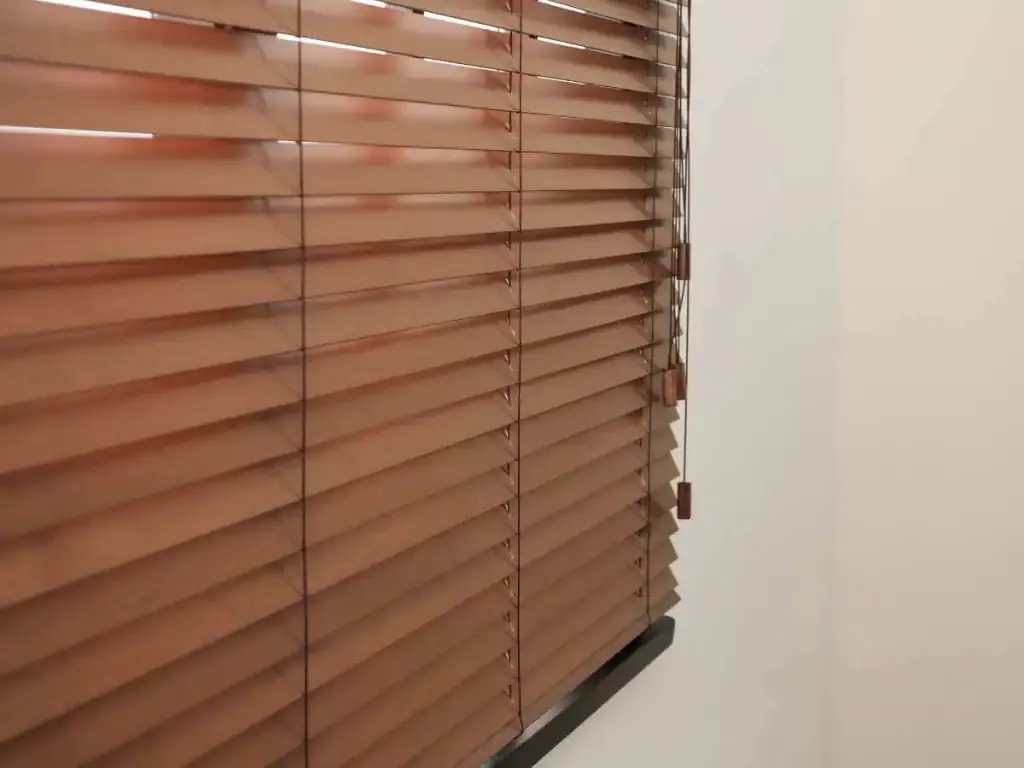 Why Standard Blinds Never Quite Fit a Sliding Glass Door
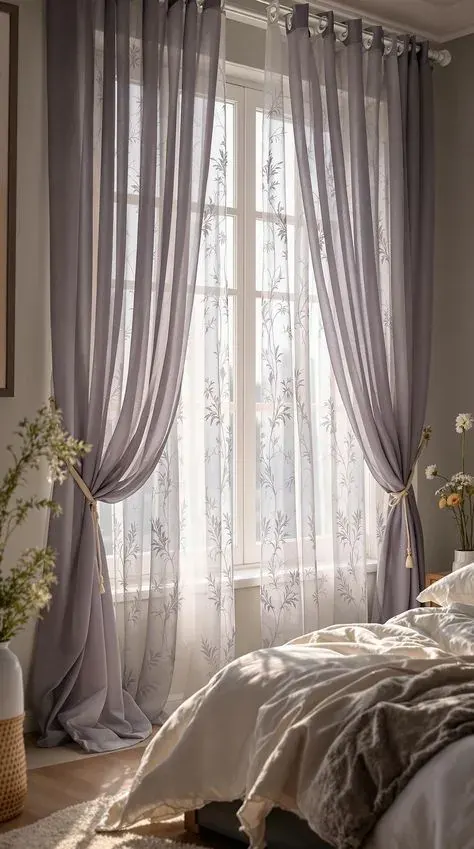 Fabric and Color Mistakes We See in Shelbyville Homes
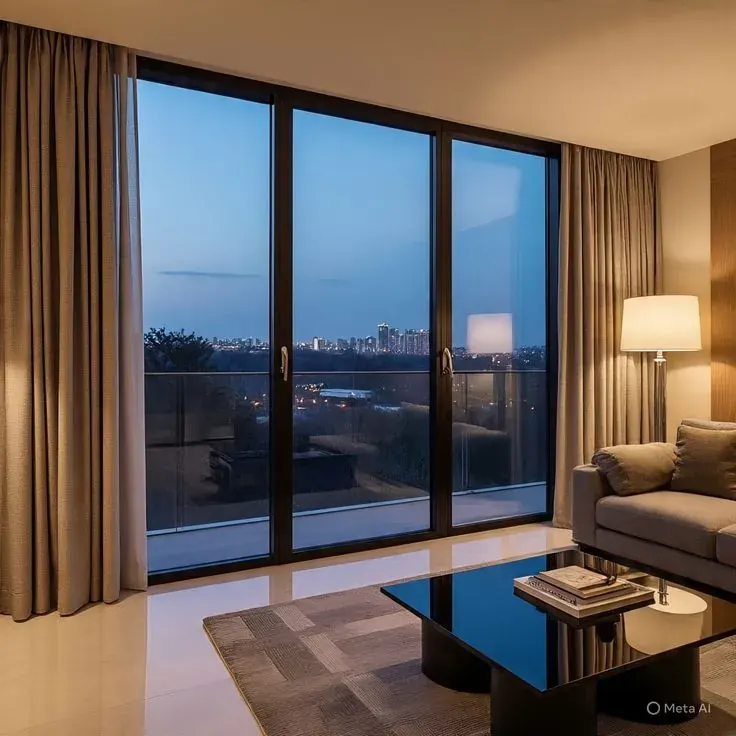 The Real Cost of Cheap Blinds in Shelbyville Rental Properties