The Real Cost of Cheap Blinds in Shelbyville Rental Properties
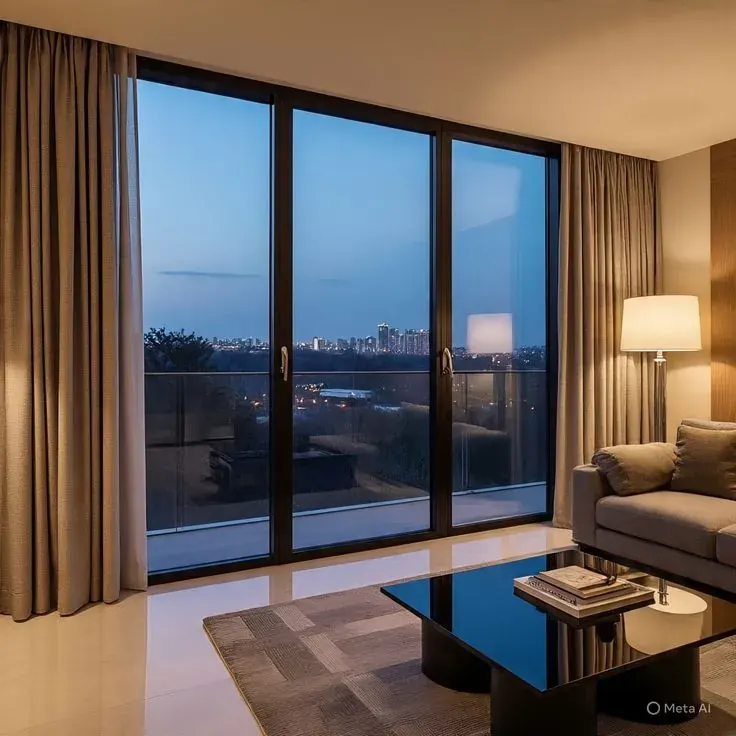
Ordering window coverings for a rental in Shelbyville is a different exercise than picking something for your own house, and most first-time landlords figure that out the expensive way.
Why Rental-Grade Window Coverings Aren't the Same Product as Retail
Anyone who's walked a unit at move-out in Shelbyville knows the list: a bent slat here, a missing tilt wand there, a cord that's been chewed by whatever pet the lease technically didn't allow. Retail-grade blinds bought for a homeowner's living room were never designed with that use case in mind. Rental-grade product is built around the assumption that it needs to survive people who didn't choose it and won't be around to maintain it.
Vinyl and faux wood blinds are the default for a reason. They shrug off the kind of everyday abuse that would dent or discolor real wood, and replacing one damaged slat or an entire cheap unit costs a fraction of what a nicer material would. A scratched or gouged real wood slat is often a whole-blind replacement, while a vinyl slat can sometimes be swapped individually if the line is still in stock.
Weighing Upfront Cost Against How Often You'll Replace It
National pricing on basic vinyl mini blinds at volume sits at the low end of the range for window coverings generally, with 2-inch faux wood a step above that. Both come in well under custom wood or fabric treatments, and for a rental portfolio, the lower number is usually the right call unless a specific unit is a longer-term, higher-rent lease where the tenant experience justifies spending more.
Don't count on manufacturer warranty to cover ongoing replacement costs across multiple tenants. Warranties are generally written for an original purchaser, not a unit that changes hands every year or two, so the honest way to budget is a small annual per-unit line for wear and turnover damage rather than treating the first order as the only cost you'll ever see. Set that number once, based on a year or two of actual turnover data, and it stops being a guess.
For a larger Shelbyville building or renovation, a free in-home measure across a sample of units is a solid starting point for building an accurate spec before the full order goes out.
Durability: What Actually Survives Between Tenants
At scale, durability data is easy to track just by watching what shows up on maintenance tickets. Vertical blinds on patio doors and bathroom blinds that aren't real vinyl tend to top that list in almost every multifamily property, which is why plenty of newer construction skips verticals on sliding doors entirely in favor of a cordless cellular shade or a panel track from day one.
Building that knowledge into the original spec, rather than discovering it unit by unit over the first two years of leasing, saves a meaningful amount in both material cost and technician time. A property with a maintenance history to draw on should use it; a brand-new Shelbyville building without that history yet is better off leaning on product choices that have a known track record elsewhere rather than guessing.
Cordless Options and Why They Make Sense in Rental Units
Cordless lift systems have become the standard direction for stock blinds generally, and rentals are a good example of why. A dangling cord is one more thing that gets snapped, tangled, or pulled loose by a new tenant's kids or pets within the first month, and every one of those becomes a maintenance call. Cordless designs remove that failure point almost entirely.
There's also a simpler upside: cordless blinds tend to look better going into a new lease, since there's no cord to fray or discolor sitting in a window for years between tenant changes. Top-down bottom-up options are worth considering for ground-floor or street-facing Shelbyville units too, since a tenant gets privacy from the bottom while still letting light in from the top, without needing to reach for a pull cord at all.
Ordering and Installing Across Multiple Units or Buildings
Keep the spec boring on purpose. Two or three sizes, one or two colors, the same product line across the whole property. It makes reordering fast and lets a maintenance closet hold real spares instead of nothing, which is the difference between a same-week fix and a two-week special order every time something breaks.
Don't skip the field check on an older building just because the floor plans look consistent on paper. Actual openings drift over the years, sometimes enough that a stock-sized blind leaves a visible gap on one side, and that's an easy problem to avoid by checking a sample of Shelbyville units before the full order goes in. It takes an afternoon. Skipping it can cost weeks of back-and-forth on a reorder later.
Frequently Asked Questions
How often do window coverings need to be replaced in a rental?
It depends heavily on the product. Cheap composite blinds in bathrooms and vertical blinds on patio doors tend to fail fastest, sometimes within a year or two, while solid vinyl or faux wood blinds elsewhere in a unit can survive several tenants with basic cleaning between leases. Tracking what actually gets replaced on your own property over a year or two is the most reliable way to know.
Does manufacturer warranty cover replacement between tenants?
Usually not in a way landlords can rely on. Most warranties are written for an original purchaser or household, not a unit that changes hands with every new lease. It's more realistic to budget a small annual line for wear and turnover damage than to expect warranty coverage to handle ongoing replacement costs.
What should I specify for bathroom windows in rental units?
Solid vinyl or true PVC composite, not a paper-wrapped composite sold as faux wood. The cheaper paper-based version will bubble and swell from shower steam and humidity within a year or two, while solid vinyl holds its shape through repeated humidity cycles without that problem.
 Why Standard Blinds Never Quite Fit a Sliding Glass Door
 Window Treatments for Tall and Oversized Windows in Shelbyville
 Fabric and Color Mistakes We See in Shelbyville Homes